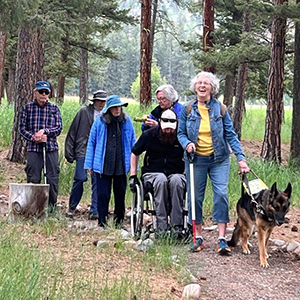
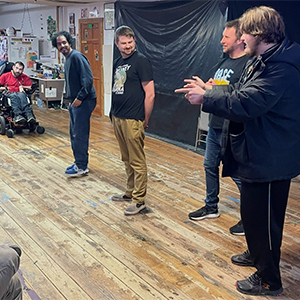
A group of individuals in wheelchairs engage in conversation together

Peer advocacy and support is a core services at Summit and a cornerstone of Independent Living philosophy. Centers for Independent Living across the country recognize that people with disabilities are the most credible experts on disability, and that lived experience is one of the most powerful tools for building independence, confidence, and community leadership.

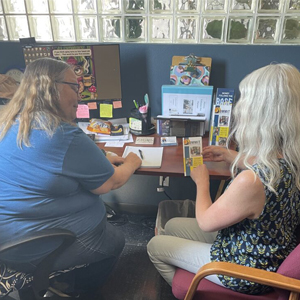
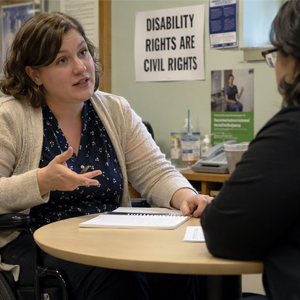
At Summit, peer advocates work directly with individuals who are adjusting to a disability, exploring independent living options, or seeking greater autonomy. Through shared experience, peer mentors offer practical guidance, emotional support, and real‑world strategies for navigating barriers. This one‑to‑one connection helps people set goals, strengthen self‑advocacy skills, and make informed decisions about their lives.

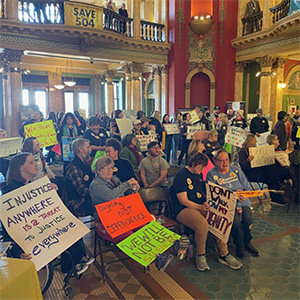
Peer advocacy also extends beyond individual support. In keeping with national CIL standards, Summit’s peer advocates participate in systems advocacy—working collectively to identify community barriers, elevate the voices of people with disabilities, and influence policies that shape access, equity, and inclusion. Peers help others understand how to engage in civic processes, communicate with decision‑makers, and contribute to broader disability‑rights efforts.

Through peer advocacy, Summit empowers people with disabilities to:

  • Build confidence and self‑determination
  • Navigate services, benefits, and community resources
  • Strengthen problem‑solving and decision‑making skills
  • Participate in collective advocacy that drives community and policy change
  • Identify and pursue personal goals for independence

Peer advocacy ensures that people with disabilities are supported by those who truly understand their experiences, creating a community where independence, dignity, and shared leadership thrive.

Learn More

Peer advocacy and support connect people with disabilities to others who share similar experiences. When peers work together, they encourage each other, share practical ideas, and build confidence. Peer advocates act as role models, showing that independence is possible and helping others work toward the level of independence they want.

Peer support can help people grow in ways that traditional services often can’t. Because peers have lived through similar challenges, they can talk openly about personal or complicated issues and offer support that feels real and relatable. Peers often reach people who may not feel comfortable working with professionals, and they provide hope for those who are new to disability or struggling to see a path forward.

Mutual support is key. Peer advocates don’t give advice or tell someone what to do, they share experiences, explore options together, and support each other in making their own decisions.

A well‑rounded peer advocate brings together a set of personal qualities that support both their own growth and the growth of the people they mentor. They understand and embrace their identity as a person with a disability, and they work to build steady, healthy self‑esteem. They communicate clearly, listen well, and maintain strong personal boundaries so that peer relationships stay respectful and supportive.

Peer advocates are self‑motivated and goal‑oriented, using their own experiences to guide others while continuing to nurture their own wellness. They show empathy, stay open to new ideas, and approach each person’s journey without judgment. These attributes help peer advocates create meaningful connections, model independence, and support others in reaching their goals.

If you’re looking for support from someone who truly understands what you’re going through, Summit’s peer advocacy services can help. Peer advocates are people with disabilities who share their own lived experiences to offer encouragement, practical ideas, and a sense of connection. They work with individuals who are adjusting to a disability, exploring independent living options, or wanting more control over their daily lives.

Peer advocacy is built on mutual support, not advice‑giving. Instead of telling you what to do, peer advocates walk alongside you, helping you explore choices, build confidence, and find strategies that fit your life. Because they’ve faced similar challenges, peers can talk openly about personal or complicated issues and offer support that feels real and relatable.

Whether you prefer one‑on‑one support or connecting with a peer group, peer advocacy can help you:

  • Build confidence and independence
  • Navigate services and community resources
  • Explore options and set personal goals
  • Feel understood by someone with shared experience

Peer advocates make a meaningful commitment to support you on your journey toward greater independence, offering understanding, hope, and a reminder that you’re not alone.

Check Out Our Programs

NOT SURE WHERE TO START?

Contact us to find out which programs will best meet your goals.

Follow Us on Instagram